
Finland has long been recognised for its engineering excellence, high-quality infrastructure and innovative manufacturing sector. From world leading shipbuilding and clean energy projects to transport infrastructure and industrial developments, the country has built a global reputation for delivering technically complex projects to an exceptionally high standard.
Finland now however faces a challenge shared by many advanced European economies. An ageing population, a shrinking domestic workforce and increasing demand for specialist skills are creating significant recruitment pressures across construction and engineering.
While Finland’s construction market has experienced periods of slower activity due to higher interest rates and wider economic uncertainty, the long term pipeline remains substantial. Major industrial investments, energy projects, transport upgrades and manufacturing expansions continue to generate demand for experienced engineers, project managers, supervisors and skilled tradespeople.
For employers, the question is becoming increasingly clear: where will tomorrow’s workforce come from?
Finland’s Economy is Recovering with Long-Term Investment in Mind
Like much of Europe, Finland has experienced economic headwinds over recent years. Higher borrowing costs slowed residential construction while international uncertainty affected investment decisions across several sectors.
Despite these short-term pressures, Finland continues investing heavily in infrastructure, clean energy, industrial production and advanced manufacturing. Government forecasts also anticipate gradual improvements in employment and economic performance over the coming years as conditions stabilise.
This means that while some parts of the construction market have softened temporarily, many engineering-intensive sectors continue planning for future growth rather than contraction.
Large-scale industrial developments often have planning horizons measured in years rather than months, meaning employers must secure talent well before projects reach peak construction activity.
Finland’s Demographic Challenge Cannot Be Ignored
Perhaps the biggest issue facing Finnish employers is not simply economic recovery, but the demographics.
Finland has one of Europe’s oldest populations. Birth rates have fallen for many years while large numbers of experienced engineers, site managers and skilled tradespeople are approaching retirement and replacing this expertise is becoming increasingly difficult.
Universities and vocational colleges continue producing highly skilled graduates, but not in sufficient numbers to replace those leaving the workforce while simultaneously meeting demand created by new infrastructure investment.
This is particularly evident in specialist disciplines such as:
- Civil Engineering
- Structural Engineering
- Mechanical Engineering
- Electrical Engineering
- HVAC Engineering
- Process Engineering
- Automation Engineering
- Industrial Maintenance
- Project Management
- Quantity Surveying
- Site Supervision
- Welding
- Steel Fabrication
- Heavy Plant Operation
These are professions requiring years of experience rather than positions that can be filled immediately by newly qualified graduates.
Construction Activity is Becoming More Complex
Finland is no longer simply building houses and commercial offices. Today’s construction projects increasingly involve technically demanding environments requiring specialist knowledge. Some of the country’s most significant developments include:
Industrial and battery manufacturing
Finland continues positioning itself as a major European hub for battery materials, mineral processing and electrification technologies. Large investments across northern and central Finland require extensive civil engineering, industrial construction and mechanical installation expertise.
Clean energy projects
Wind power continues expanding across Finland, while hydrogen developments and wider energy transition projects are creating demand for electrical engineers, commissioning specialists, pipefitters and industrial electricians.
Transport infrastructure
Road improvements, rail upgrades, port developments and logistics infrastructure continue to receive investment as Finland strengthens connections across Northern Europe.
Shipbuilding
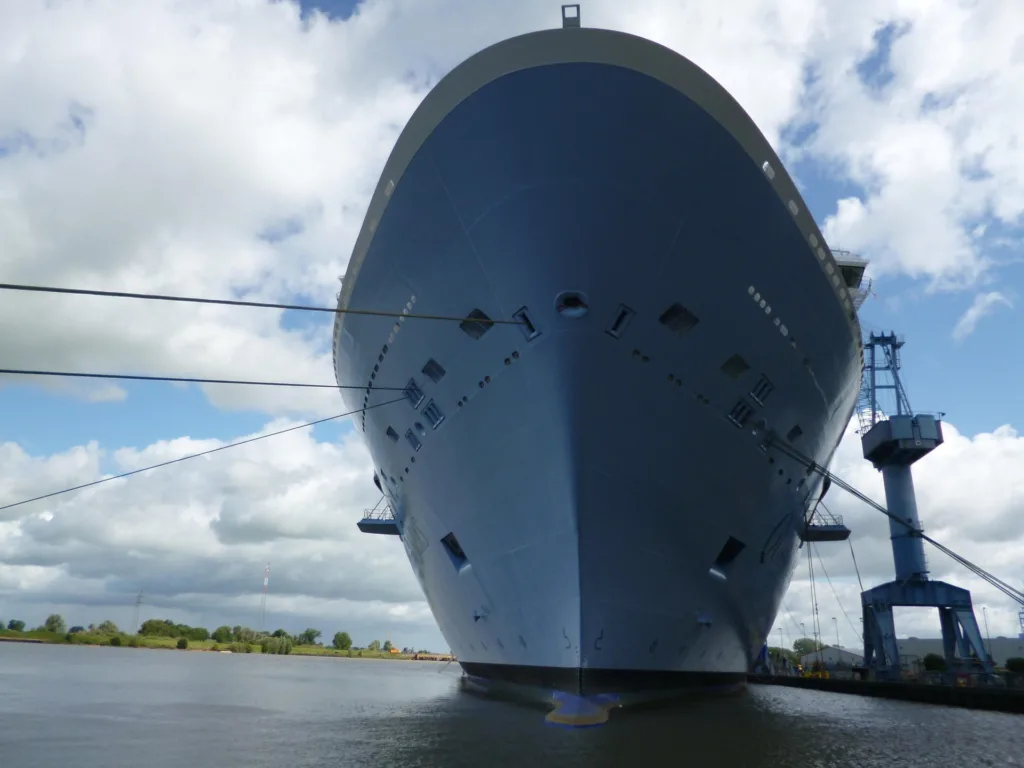
Few countries possess Finland’s reputation for advanced shipbuilding. Companies such as Meyer Turku continue constructing some of the world’s largest and most technically sophisticated cruise ships, generating demand throughout the wider engineering supply chain for welders, pipefitters, electrical technicians, mechanical engineers and production specialists.
Industrial maintenance
Many of Finland’s largest manufacturing facilities require continual shutdown maintenance and modernisation, creating ongoing demand for experienced contractors capable of working safely in highly regulated industrial environments.
Major Finnish Companies Continue Driving Demand
Several internationally recognised Finnish businesses continue supporting demand for engineering talent.
These include:
- YIT
- SRV
- NCC Finland
- Skanska Finland
- Destia
- GRK
- AFRY Finland
- Ramboll Finland
- Sweco Finland
- Meyer Turku
- Metso
- KONE
- Valmet
- Caverion
- Fortum
Many of these organisations work across multiple sectors simultaneously, including transport, commercial construction, industrial facilities, energy infrastructure and manufacturing. Competition for experienced professionals therefore extends well beyond traditional construction companies. A mechanical engineer, for example, may receive opportunities from manufacturing, renewable energy, consultancy, heavy industry and infrastructure contractors all at the same time.
The Tender Pipeline Remains Significant
Although residential construction has slowed, Finland continues progressing a number of strategically important projects likely to generate recruitment demand over the coming years.
These include:
Energy Infrastructure
Finland’s commitment to energy independence and decarbonisation continues driving investment into:
- Wind farms
- Grid reinforcement
- Energy storage
- Hydrogen production
- Industrial electrification
Each project requires multidisciplinary engineering teams alongside experienced construction professionals capable of delivering large-scale infrastructure safely and efficiently.
Industrial Expansion
International investment into battery materials, minerals processing and clean manufacturing has transformed regions of Finland into major industrial hubs.
New processing facilities, logistics infrastructure and production plants all require:
- Civil Engineers
- Mechanical Engineers
- Structural Engineers
- Project Engineers
- Commissioning Specialists
- Industrial Electricians
- Welders
- Pipefitters
Transport Projects
Road maintenance, bridge improvements, rail enhancements and logistics developments continue to provide opportunities for civil contractors throughout Finland.
As Finland strengthens transport connections across Scandinavia and the wider local regions, demand for infrastructure expertise is expected to remain resilient.
Why Recruiting Solely Within Finland May Not Be Enough
Many employers naturally prioritise recruiting locally, however the reality is that every major contractor is often searching for exactly the same people. When experienced professionals become available, competition can be intense.
This frequently results in:
- Longer hiring times
- Rising salary expectations
- Project delays
- Increased contractor costs
- Greater reliance on subcontractors
Even where unemployment exists within the wider economy, employers often struggle to find candidates possessing the precise combination of technical qualifications, certifications and practical experience required for specialist engineering roles.
Statistics Finland recently reported fewer vacancies overall than a year earlier, yet employers continue identifying many roles as difficult to fill, illustrating that skills shortages remain concentrated in specialist occupations rather than the labour market as a whole.
International Recruitment Offers a Long-Term Solution
For many Finnish employers, international recruitment is becoming less of an emergency measure and more of a strategic workforce solution. Recruiting skilled professionals from outside the European Union enables businesses to access significantly larger talent pools while maintaining project delivery schedules.
Countries such as the Philippines, South Africa, India and several parts of Southeast Asia continue producing highly qualified engineers, electricians, welders, fabricators, heavy equipment operators and industrial maintenance professionals with experience gained on internationally recognised projects.
Many candidates also possess experience working to European, British or international engineering standards, making integration into Finnish projects considerably smoother.
Importantly, Finland itself expects work-based immigration to increase as industrial investment gathers pace. Recent forecasts from the Finnish Immigration Service point to rising numbers of employment-based residence permit applications following renewed industrial activity.
Successful International Recruitment Requires More Than Filling Vacancies
Simply hiring overseas workers is not enough. The most successful employers take a long-term approach by focusing on:
- Skills verification
- Practical trade testing
- English language capability
- Safety standards
- Cultural integration
- Relocation support
- Ongoing employee wellbeing
By investing in proper onboarding, businesses improve retention while helping international employees become productive members of the workforce far more quickly.
Language training also plays an important role. While English is widely used within many engineering environments, providing opportunities for employees to develop Finnish language skills supports long-term integration and career progression. European research also highlights language and professional networks as important factors influencing migrant employment outcomes.
Building Finland’s Future Requires a Global Workforce
Finland has built its reputation through innovation, engineering excellence and world-class infrastructure. Maintaining that reputation will depend upon having enough skilled people available to deliver increasingly complex projects. Domestic education, apprenticeships and workforce development will remain essential, but demographic realities mean these measures alone are unlikely to satisfy future demand. International recruitment should therefore not be viewed as replacing Finnish workers. Instead, it should be seen as complementing the domestic workforce, addressing specialist shortages and ensuring that strategically important projects continue moving forward without unnecessary delays. For construction companies, engineering consultancies and industrial contractors alike, access to global talent is becoming a competitive advantage.
Those organisations that establish robust international recruitment strategies today will be significantly better positioned to deliver Finland’s next generation of transport infrastructure, clean energy developments, advanced manufacturing facilities and industrial megaprojects.
As Finland continues investing in sustainable growth and technological leadership, one thing is becoming increasingly clear.
The country’s future infrastructure will not simply be built with Finnish expertise alone. It will be delivered by diverse, highly skilled teams drawn from both Finland and the wider world, working together to shape the next chapter of Finnish engineering success.
To find out how we could help you hire skilled workers into Finland, then get in touch here

